Stories From The Pragmatic Party





Reality doesn’t have a political affiliation.
The Pragmatic Party began with a simple idea:
What if we cared more about whether an idea works than which side it came from?
Politics increasingly asks us to choose a team and then defend it. Once we do, something peculiar happens. Good ideas from the other side become suspicious. Bad ideas from our side acquire elaborate explanations. Contradictions become principles. Questions become disloyalty.
We’re interested in something else.
The Pragmatic Party is a place for people willing to examine ideas without first checking their political pedigree.
That means evidence matters.
Results matter.
Context matters.
Experience matters.
And changing your mind when the evidence changes isn't weakness. It's what thinking looks like.
No ideological purity test
You don't have to be liberal.
You don't have to be conservative.
You don't have to be libertarian, progressive, centrist, populist—or invent another label to explain why you don't fit the existing ones.
You just have to be willing to ask:
Does this make sense?
What actually happened?
Did it work?
What were the unintended consequences?
What are we missing?
And perhaps the hardest question of all:
What if I'm wrong?
Ideas are not team property
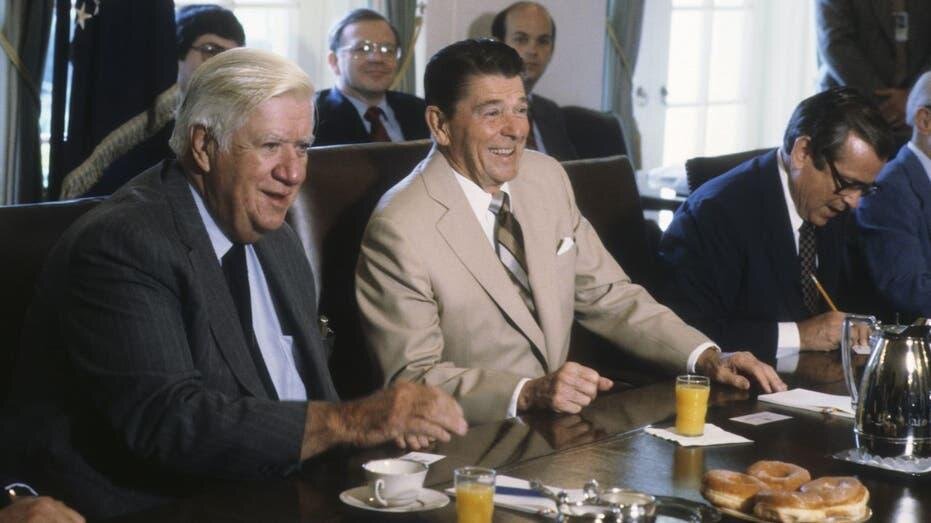
A sensible idea doesn't become foolish because a Republican proposed it.
A foolish idea doesn't become sensible because a Democrat proposed it.
And neither becomes true because ten thousand people shared it on social media.
The world is considerably messier than our political categories.
We want to explore that mess.
The Pragmatic Party features essays, observations, interviews, humor, arguments, stories and people who bring clarity to complicated subjects. Sometimes they'll come from the left. Sometimes from the right. Sometimes from somewhere completely different.
Agreement isn't the standard.
Thoughtfulness is.
We take ideas seriously. Ourselves, somewhat less so.
Dogma has an unfortunate side effect: it makes people terribly serious about themselves.
We prefer curiosity, skepticism and humor.
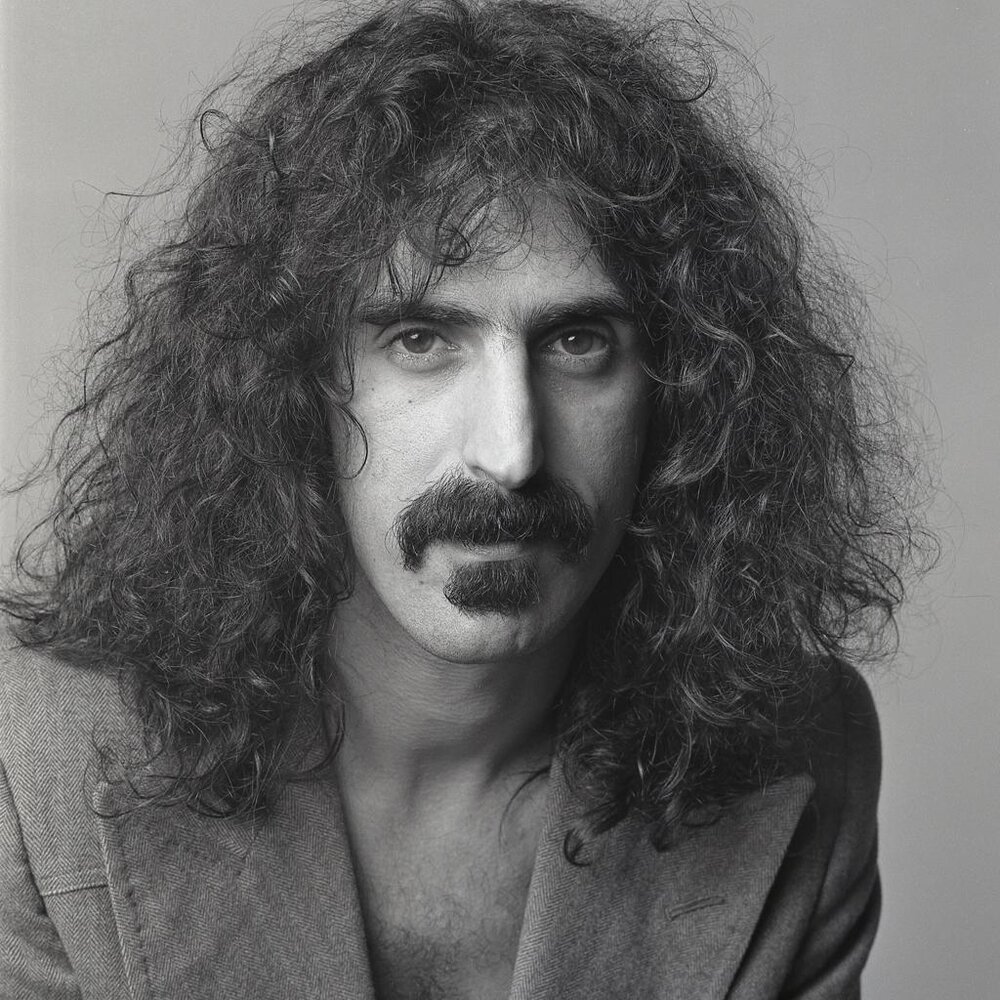
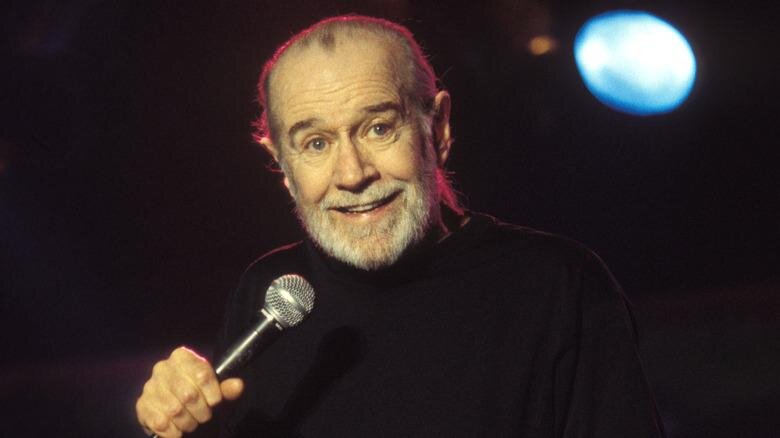
George Carlin could expose an absurdity in a few sentences that others needed an entire book to explain. Frank Zappa could puncture cultural pretension with a joke. Doug Stanhope can take an assumption everyone accepts, follow it to its ridiculous conclusion, and leave the contradiction sitting there for everyone to see.
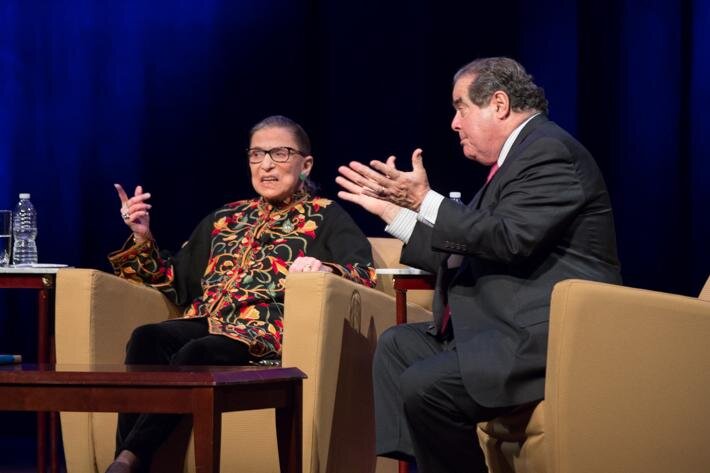
Different voices. Different conclusions.
The common thread isn't ideology.
It's asking: Wait. Does this actually make sense?
This isn't a political party
Despite the name, the Pragmatic Party isn't a registered political party, campaign organization or instruction about how anyone should vote.
It's a publishing idea.
A place to recognize and amplify thoughtful voices, examine conventional wisdom, expose contradictions, learn from experience and occasionally laugh at the spectacular nonsense human beings are capable of producing.
Including us.
Especially us.
Because pragmatism isn't having all the answers.
It's being willing to keep asking better questions.
Welcome to the Pragmatic Party.
Bring your ideas. Leave your dogma at the door.